We stop your business relying on
people, firefighting,
or guesswork to scale.
So your team delivers consistently, growth doesn't create chaos,
and you're not the answer to every question.
Advanced Air Limited
operational control
tech and manufacturing
systematically removed
If you recognise these patterns,
your business is carrying unmanaged operational risk.
Operational risk rarely looks like failure. It looks like day-to-day work becoming harder than it should be.
Above the surface,
the business looks fine
Below it, six types of operational risk are quietly building, invisible until growth forces them to the surface.
See the six risk areas →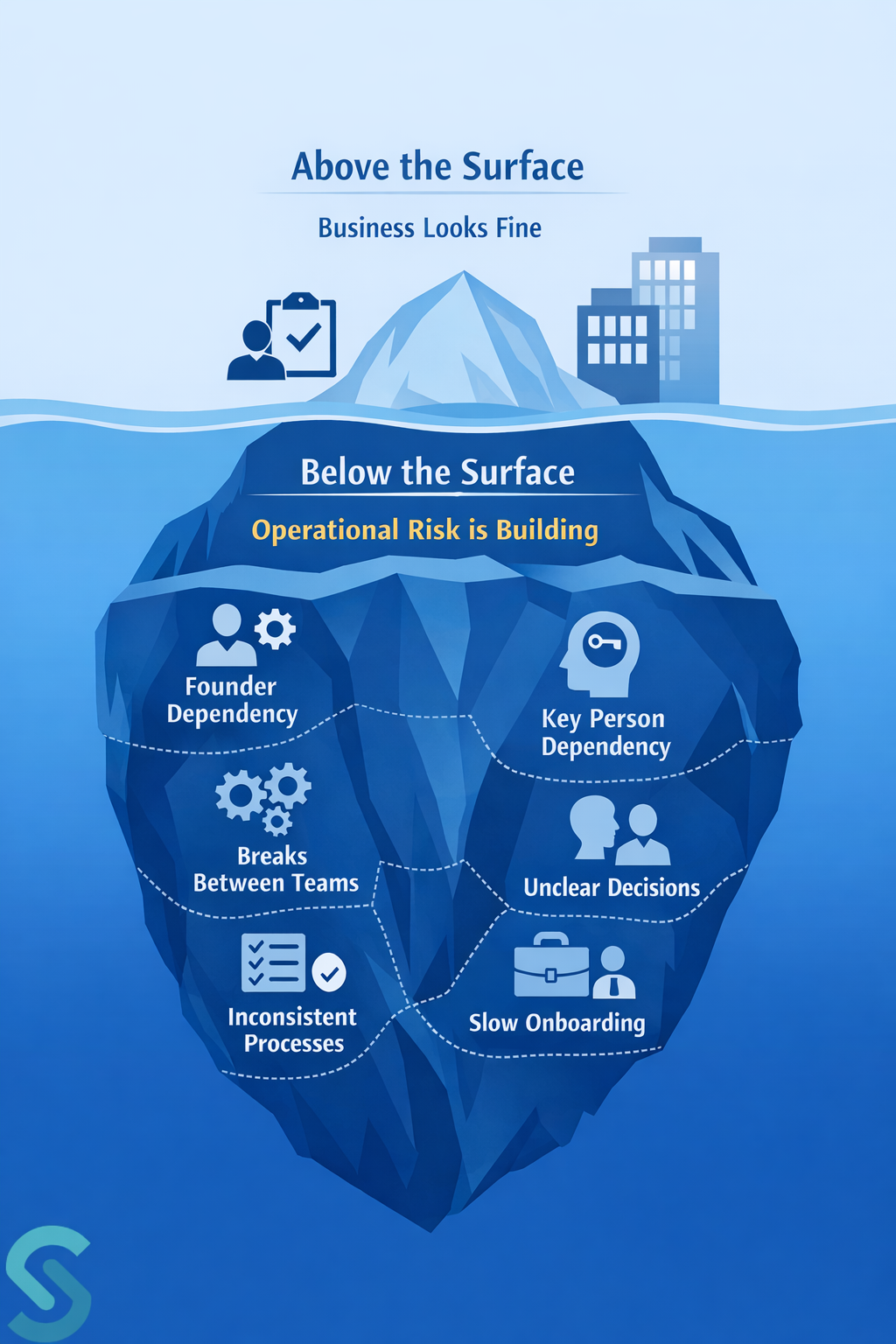
Where people, firefighting and guesswork
show up in your business
Every engagement addresses all six. Most businesses are exposed across at least four. Together they sit between your operation and reliable business growth.
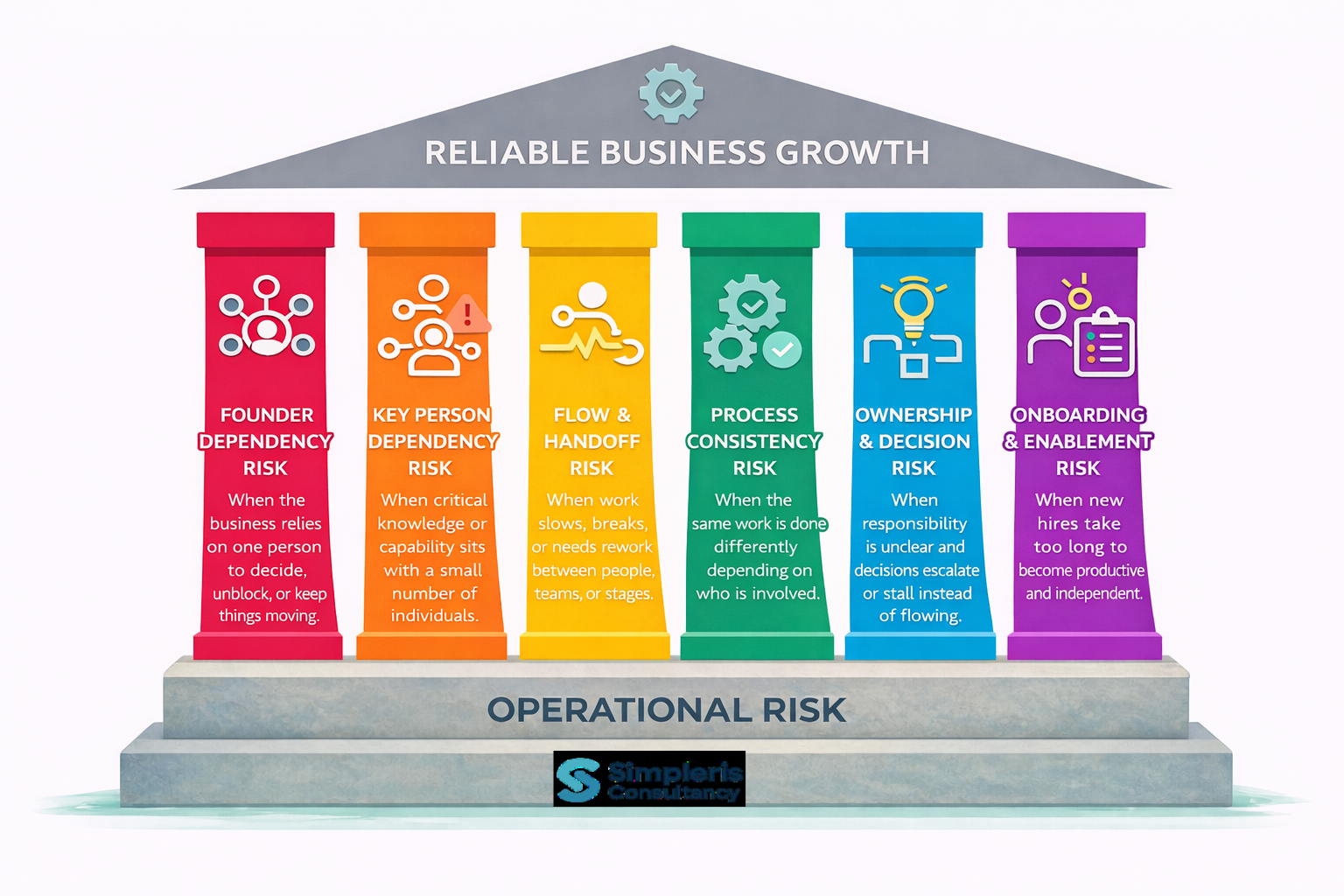
Each pillar represents a distinct category of operational risk. Removing all six is what makes the difference between a business that relies on heroics and one that scales reliably.
Three steps from operational chaos
to a business that runs without you
Built on SYSTEMology. Lean Six Sigma informed. Starts with the free Operational Risk Assessment.
What changes when
risk is controlled
The business stops relying on heroics and starts relying on structure.
The right engagement
for where you are now
Every engagement starts with making the risks visible. Choose how much you want to be involved in fixing them.
What stops when the risks
are identified and removed
errors
"Critical processes are now better documented, standardised and embedded on the shopfloor. Assembly quality errors reduced by approximately 70%, output increased significantly, and key-person dependency was removed."
journey mapped
"It made clear that our lead generation process needed to be improved and standardised. We left with clarity and a clear path to attract and convert more divers."
now possible
"We came away with a clearer understanding of how to scale, improve consistency, and prepare for expansion into new cities. Martin's calm, structured approach made the whole process easy and engaging."
Growth creates complexity
faster than systems keep up
The gap between the two is where people, firefighting and guesswork take hold. The longer it's left, the harder it is to close.
Understand the complexity gap →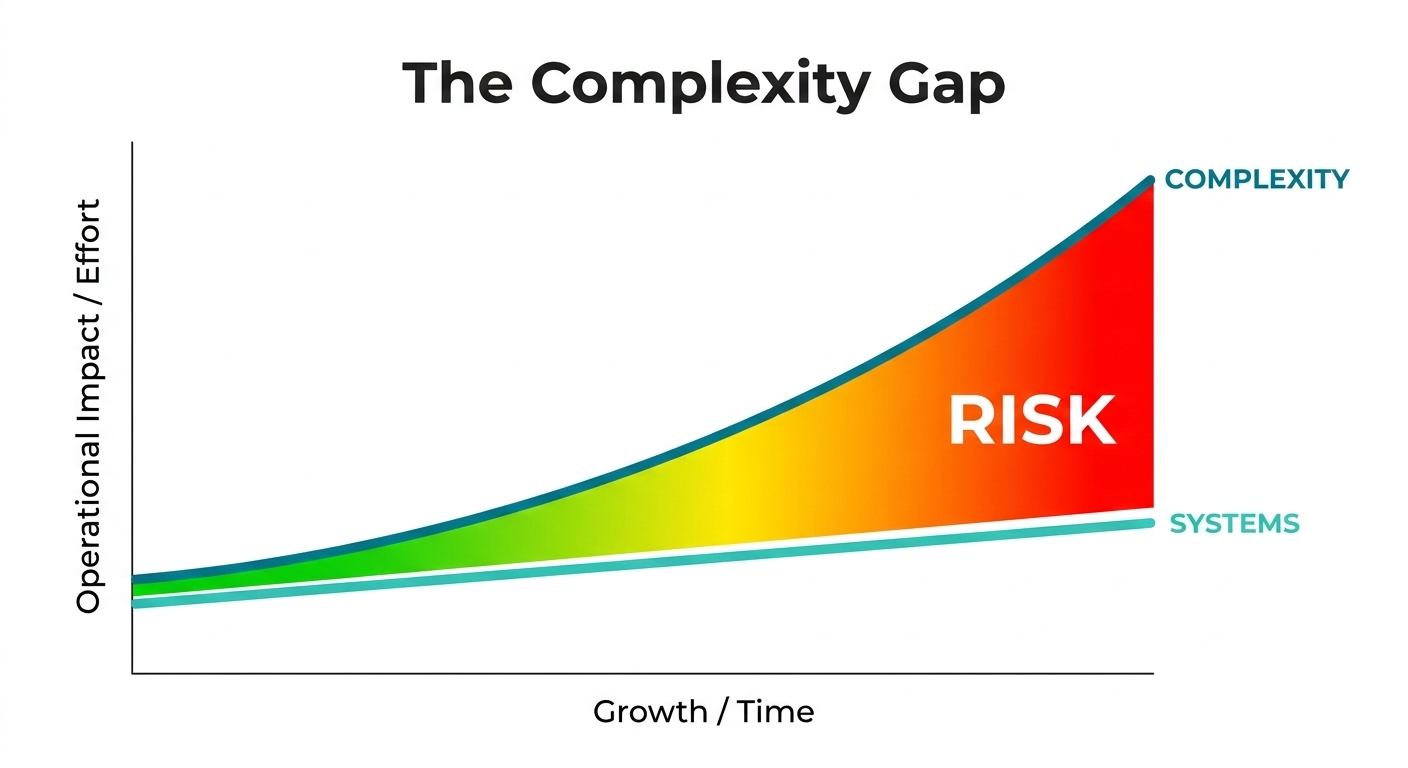
Find out where your business is
carrying operational risk
Take the free Operational Risk Assessment. Six questions, instant results, and a personalised breakdown of where your business is exposed. Then book a free 30-minute session to walk through what it means for you.
Free · 7 minutes · Instant results.
Risk Results Explained session
available free after the assessment.